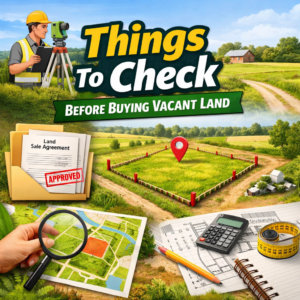
Buying land can be an exciting investment opportunity, but it also comes with risks if proper research is not done. Many buyers focus only on price and location, but there are several important Things to Check Before Buying Vacant Land to ensure the property meets their needs.
Unlike buying a house, purchasing raw land requires additional investigation. You must verify zoning laws, property access, utilities, and environmental conditions before committing to a purchase.
In this guide, we will explore the most important Things to Check Before Buying Vacant Land, helping you avoid costly mistakes and make a smart investment decision.
Introduction to Buying Vacant Land
Vacant land offers many opportunities for investors, homeowners, and developers. Buyers often purchase land for building homes, farming, recreation, or long-term investment.
However, raw land usually lacks infrastructure and requires careful evaluation.
Why Buying Land Is Different from Buying a House
When purchasing a house, most essential services are already available.
Vacant land, on the other hand, may lack:
- Electricity
- Water supply
- Sewage systems
- Internet access
- Road connectivity
Because of these factors, buyers must perform more research before buying land.
Common Mistakes Land Buyers Make
Many first-time land buyers make costly mistakes.
Common errors include:
- Not checking zoning regulations
- Ignoring access to utilities
- Skipping soil testing
- Not verifying property boundaries
Understanding these risks helps buyers avoid problems later.
12 Important Things to Check Before Buying Vacant Land
Before purchasing land, it is essential to conduct thorough research and due diligence.
1. Zoning Regulations
Zoning laws determine how land can be used.
Local governments classify land into zones such as:
- Residential
- Agricultural
- Commercial
- Industrial
Before buying land, confirm that the zoning allows your intended use.
For example, some rural land may not allow residential construction.
2. Road Access
Legal access to the property is crucial.
Some cheap land parcels do not have direct road access.
Check whether the property has:
- Public road access
- Private easements
- Legal right-of-way
Without proper access, developing the land may become difficult.
3. Utility Availability
Utilities are essential if you plan to build a house or business.
Check the availability of:
- Electricity
- Water supply
- Internet service
- Sewage or septic systems
If utilities are not nearby, installation costs can be expensive.
4. Land Topography
Topography refers to the physical characteristics of the land.
Factors to evaluate include:
- Slopes
- Elevation
- Rock formations
- Drainage patterns
Steep or rocky land may increase construction costs.
5. Soil Quality and Perc Test
Soil testing is especially important for residential construction.
A percolation test (perc test) determines whether the soil can absorb water properly.
This test helps determine whether a septic system can be installed.
Poor soil conditions may limit building options.
6. Water Rights and Availability
Access to water is essential for many land uses.
You should check whether the property has:
- Groundwater access
- Wells
- Nearby water sources
- Legal water rights
In some areas, water rights are regulated and may not automatically transfer with the land.
7. Flood Zones
Some properties are located in flood-prone areas.
Before buying land, check the property’s flood zone status through official flood maps.
Land in flood zones may require:
- Special insurance
- Elevated construction
- Additional permits
These requirements can increase development costs.
8. Environmental Restrictions
Certain properties are subject to environmental protection laws.
Examples include land containing:
- Wetlands
- Protected wildlife habitats
- Forest conservation zones
These restrictions can limit development.
The U.S. Environmental Protection Agency provides information on environmental regulations:
https://www.epa.gov
9. Property Boundaries and Survey
A land survey confirms the exact boundaries of the property.
Surveys help identify:
- Property lines
- Encroachments
- Easements
- Disputes with neighboring landowners
Hiring a licensed surveyor ensures accurate boundary verification.
10. Title and Ownership History
Before buying land, conduct a title search to verify legal ownership.
This search identifies potential issues such as:
- Liens
- Unpaid taxes
- Ownership disputes
- Legal claims on the property
A clear title protects buyers from future legal complications.
11. Property Taxes
Property taxes vary by location and land classification.
Some rural land may have very low taxes, while other areas may charge higher rates.
Check:
- Current tax amount
- Past tax payments
- Potential future increases
Understanding tax obligations helps buyers plan long-term costs.
12. Future Development Potential
Evaluating future development opportunities can increase the value of your investment.
Consider factors such as:
- Nearby infrastructure projects
- Population growth
- Economic development plans
- Road expansions
Land located near growing areas often appreciates in value over time.
Why Due Diligence Is Important When Buying Land
Conducting proper research before purchasing land protects buyers from costly mistakes.
Avoiding Legal Issues
Checking legal records and zoning laws ensures the property can be used for your intended purpose.
Failing to verify these details may result in legal disputes or restrictions.
Protecting Your Investment
Thorough due diligence helps buyers understand the true value of a property.
This prevents unexpected expenses related to utilities, permits, or environmental restrictions.
Tools and Resources for Land Buyers
Several resources can help buyers gather information about land properties.
County Property Records
County government offices maintain records about land ownership, taxes, and zoning.
These records are useful for verifying property details.
Land Surveyors
Professional surveyors help confirm property boundaries and detect encroachments.
Hiring a surveyor is recommended for most land purchases.
Environmental Reports
Environmental assessments evaluate potential environmental risks on the property.
These reports are especially important for large land investments.
Frequently Asked Questions About Things to Check Before Buying Vacant Land
1. What is the most important thing to check before buying land?
Zoning regulations and legal access to the property are two of the most important factors.
2. Why is a perc test important?
A perc test determines whether the soil can support a septic system, which is necessary for many homes.
3. Can you build on any piece of land?
No. Zoning laws, environmental regulations, and soil conditions may restrict development.
4. How do I verify land ownership?
A title search through a title company or county records can confirm ownership.
5. Do I need a land survey before buying property?
While not always required, a survey is highly recommended to confirm property boundaries.
6. Is buying vacant land a good investment?
Yes. Land often appreciates in value over time, especially in areas experiencing growth.
Conclusion
Understanding the key Things to Check Before Buying Vacant Land is essential for making a smart and safe investment. Buyers must carefully review zoning regulations, property access, utilities, soil conditions, and legal ownership before purchasing land.
By performing proper due diligence, you can avoid costly mistakes and ensure the property meets your goals. Whether you plan to build a home, start a farm, or hold land as an investment, careful research will help you make the best decision.