Buying land can be a great investment, but getting a traditional bank loan for vacant property is often difficult. That’s why many buyers are learning How to Buy Vacant Land with Owner Financing as an alternative method.
Owner financing allows the seller of the land to act as the lender. Instead of borrowing money from a bank, the buyer makes payments directly to the landowner. This option is becoming increasingly popular for buyers who want flexible payment options or who cannot qualify for traditional loans.
In this guide, we will explain How to Buy Vacant Land with Owner Financing, including the steps involved, benefits, risks, and tips to help you make a smart purchase.
Introduction to Owner Financing for Vacant Land
Owner financing is one of the easiest ways to buy vacant land without dealing with complicated bank loans.
Many landowners are willing to finance their property because it helps them sell faster and earn interest income.
What Owner Financing Means
Owner financing (also called seller financing) is a real estate agreement where the property seller provides financing to the buyer.
Instead of a bank loan, the buyer:
- Makes a down payment
- Signs a promissory note
- Pays monthly installments directly to the seller
Once the loan is paid off, the buyer receives full ownership of the land.
Why Buyers Choose Owner Financing
Many buyers prefer owner financing because traditional lenders often hesitate to finance vacant land.
Common reasons buyers choose owner financing include:
- Easier approval process
- Flexible payment plans
- Faster closing times
- Less paperwork
This method makes land ownership possible even for buyers with limited credit history.
Common Terms in Seller Financing
Here are some key terms used in owner financing agreements:
- Promissory Note – Written promise to repay the loan
- Land Contract – Agreement outlining payment terms
- Balloon Payment – Large payment due at the end of the loan
- Amortization Schedule – Payment plan showing principal and interest
Understanding these terms helps buyers avoid confusion during the purchase process.
Benefits of Buying Vacant Land with Owner Financing
Owner financing offers several advantages compared to traditional loans.
Easier Approval
One of the biggest benefits is the easier approval process.
Most sellers focus more on the buyer’s ability to pay rather than strict credit requirements.
This allows buyers with:
- Low credit scores
- Self-employment income
- Limited credit history
to still purchase land.
Flexible Payment Terms
Sellers often offer flexible financing terms.
Buyers may be able to negotiate:
- Smaller down payments
- Lower monthly installments
- Longer repayment periods
This flexibility makes owner financing attractive for many buyers.
Faster Closing Process
Traditional bank loans can take weeks or even months to finalize.
Owner-financed deals usually close much faster because there are fewer approval steps.
In some cases, land purchases can close within days.
9 Steps on How to Buy Vacant Land with Owner Financing
Buying land with owner financing requires careful planning and research.
Step 1: Determine Your Budget
Before searching for land, calculate how much you can afford.
Consider:
- Down payment
- Monthly payments
- Property taxes
- Development costs
Having a clear budget prevents financial stress later.
Step 2: Search for Owner-Financed Land
Look for listings that specifically offer seller financing.
Common platforms include:
- Land marketplaces
- Real estate websites
- Local property listings
These sources often advertise properties with flexible payment options.
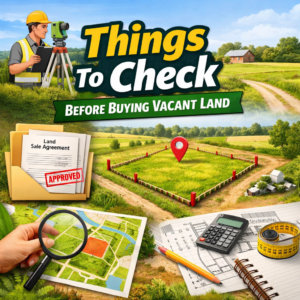
Step 3: Evaluate the Property Carefully
Not all land is suitable for development or investment.
Check important factors such as:
- Zoning regulations
- Utility availability
- Flood zones
- Road access
Always inspect the property before committing to purchase.
Step 4: Negotiate Terms with the Seller
Owner financing agreements are flexible, so negotiation is common.
You may negotiate:
- Purchase price
- Down payment amount
- Interest rate
- Loan duration
Clear communication helps both parties reach a fair agreement.
Step 5: Understand the Down Payment
Most owner-financed deals require a down payment.
Typical ranges include:
- 5% for flexible sellers
- 10–20% for standard agreements
- 30% or more for higher-risk deals
A larger down payment often results in better loan terms.
Step 6: Review the Land Contract
Before signing any agreement, review the contract carefully.
The contract should clearly define:
- Payment schedule
- Interest rate
- Default conditions
- Ownership transfer terms
It’s wise to have a real estate attorney review the contract.
Step 7: Conduct Title and Legal Checks
A title search ensures the seller legally owns the land.
You should also check for:
- Liens
- Property disputes
- Easements
- Unpaid taxes
These checks protect buyers from future legal problems.
Step 8: Finalize the Agreement
Once everything is verified, both parties sign the agreement.
The documents typically include:
- Promissory note
- Purchase contract
- Deed agreement
These documents legally finalize the purchase terms.
Step 9: Start Making Payments
After closing the deal, the buyer begins making monthly payments.
Payments continue until the loan is fully paid or refinanced.
Maintaining consistent payments protects the buyer’s ownership rights.
Where to Find Owner-Financed Vacant Land
Finding land with owner financing requires exploring several sources.
Online Land Marketplaces
Popular websites allow buyers to search for owner-financed properties.
Some platforms include:
- Land listing websites
- Property investment marketplaces
- Rural land directories
These platforms often allow filtering for seller financing.
Real Estate Agents
Some agents specialize in land sales and may know sellers offering financing. Working with an agent can simplify negotiations and paperwork.
Direct Seller Listings
Some sellers advertise land directly through classified ads or social media. These listings sometimes offer more flexible financing terms.
Important Risks to Consider
Although owner financing offers many benefits, buyers should also understand the potential risks.
Higher Interest Rates
Interest rates for owner financing are often higher than bank loans. This is because the seller takes on more financial risk.
Balloon Payments
Some agreements require a large final payment at the end of the loan. Buyers must plan carefully to avoid financial difficulties.
Contract Defaults
If the buyer fails to make payments, the seller may reclaim the property. Always ensure you can afford the payment schedule before signing.
Tips for Negotiating Owner Financing
Negotiation plays a major role in owner-financed deals.
Ask for Lower Down Payment
Some sellers may agree to smaller down payments if you demonstrate reliable income.
Negotiate Interest Rate
Even a small reduction in interest can save thousands over time.
Request Flexible Terms
Try negotiating longer repayment periods to reduce monthly payments.
Conclusion
Understanding How to Buy Vacant Land with Owner Financing can open the door to land ownership without relying on traditional bank loans. This financing method allows buyers to negotiate flexible payment terms directly with sellers.
By carefully researching the property, verifying legal documents, and negotiating fair terms, buyers can successfully purchase land through owner financing. Whether you’re investing in property, planning to build a home, or starting a homestead, owner financing can be a powerful tool to achieve your goals.