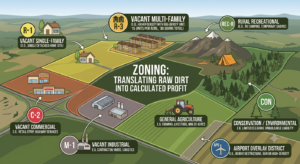
Many investors are asking an important question this year: Is Buying Vacant Land a Good Investment in 2026? With rising housing prices and growing interest in rural properties, vacant land is becoming an attractive option for both new and experienced investors.
Unlike residential or commercial real estate, vacant land usually requires little maintenance and offers flexible usage options. Investors can hold land for appreciation, develop it later, or use it for agriculture, recreation, or residential construction.
However, like any investment, land purchases come with both opportunities and risks. In this guide, we will explore Is Buying Vacant Land a Good Investment in 2026, including benefits, potential challenges, and strategies for success.
Introduction to Land Investment in 2026
The real estate market has evolved significantly in recent years. Rising housing demand, remote work trends, and population growth have increased interest in land investments.
Why Land Investment Is Gaining Popularity
There are several reasons why investors are paying more attention to vacant land.
Some key factors include:
- Increasing housing shortages
- Rising property prices in cities
- Demand for rural and suburban living
- Growth of remote work opportunities
These trends encourage buyers to look beyond traditional real estate investments.
Current Real Estate Market Trends
In 2026, several market trends influence land investment decisions.
These trends include:
- Expansion of suburban communities
- Infrastructure development in rural areas
- Growing interest in sustainable living
According to real estate data from the National Association of Realtors, land purchases have increased in many rural markets.
More information about land and real estate trends can be found here:
https://www.nar.realtor
What Is Vacant Land Investment?
Vacant land investment refers to purchasing undeveloped property with the intention of generating future value or income.
Types of Vacant Land
Vacant land can fall into several categories depending on its location and potential use.
Common types include:
- Residential land – intended for building homes
- Agricultural land – used for farming or livestock
- Commercial land – designated for businesses
- Recreational land – used for hunting, camping, or outdoor activities
Each type of land offers different investment opportunities.
How Land Investment Works
Investors typically purchase land at a relatively low price and hold it until its value increases.
Profits may come from:
- Selling the land at a higher price
- Leasing the property
- Developing it into residential or commercial projects
Because land is a limited resource, it often appreciates over time.
10 Reasons Why Buying Vacant Land Can Be a Good Investment
There are many advantages to investing in land compared to other types of real estate.
1. Limited Supply of Land
Land is a finite resource. Unlike houses or buildings, new land cannot be created.
As population grows and cities expand, available land becomes more valuable.
2. Lower Purchase Price
Vacant land is often much cheaper than developed real estate.
Investors can purchase large parcels for a fraction of the cost of residential properties.
3. Minimal Maintenance Costs
Land typically requires little maintenance.
Unlike houses, there are no repairs, tenants, or property management issues.
This makes land an attractive low-maintenance investment.
4. Long-Term Appreciation
Over time, land values often increase as surrounding areas develop.
Investors who hold land for several years may benefit from significant appreciation.
5. Flexible Usage Options
Vacant land can be used in many ways.
Possible uses include:
- Building homes
- Farming
- Recreational activities
- Commercial development
This flexibility allows investors to adapt to changing market conditions.
6. Low Property Taxes
In many regions, vacant land has lower property taxes than developed real estate.
Lower taxes reduce holding costs for long-term investors.
7. Growing Demand for Rural Living
Many people now prefer living outside crowded cities.
Remote work has made it possible for individuals to live in rural areas while maintaining their careers.
This trend increases demand for land in suburban and rural locations.
8. Opportunity for Development
Land investors can increase property value through development.
Examples include:
- Subdividing large parcels
- Building residential communities
- Developing commercial projects
Strategic development can significantly increase profits.
9. Diversification of Investment Portfolio
Land provides diversification for investors who already hold stocks, bonds, or rental properties.
Diversification helps reduce financial risk.
10. Potential Passive Income
Some landowners generate income by leasing their property.
Possible income sources include:
- Farming leases
- Hunting leases
- Solar energy projects
- Billboard rentals
These options can create passive income streams.
Risks of Investing in Vacant Land
While land investment offers many advantages, buyers should also consider potential risks.
Slow Liquidity
Land can take longer to sell than houses or commercial properties.
Buyers may need patience when waiting for the right buyer.
Limited Financing Options
Banks are often cautious about financing vacant land purchases.
Many buyers rely on cash purchases or owner financing agreements.
Zoning and Legal Restrictions
Local zoning laws may limit how the land can be used.
Before purchasing property, investors should confirm zoning regulations and development restrictions.
Best Locations for Land Investment in 2026
Location plays a major role in determining the success of a land investment.
Emerging Growth Areas
Investors often look for regions experiencing rapid population or infrastructure growth.
Indicators of growth include:
- New highways
- Expanding cities
- Planned commercial developments
These areas often experience rising land values.
Rural vs Urban Opportunities
Both rural and urban land investments have advantages.
Rural land is usually cheaper and offers larger parcels, while urban land may provide faster appreciation due to development demand.
Tips for Successful Land Investment
Investors should follow several best practices when purchasing vacant land.
Research Local Markets
Understanding local real estate trends helps investors identify promising opportunities.
Look for areas with population growth and infrastructure development.
Verify Property Access and Utilities
Always confirm whether the property has:
- Legal road access
- Electricity availability
- Water sources
- Internet connectivity
These factors significantly affect property value.
Consider Long-Term Development Potential
Think about how the surrounding area may develop in the future.
Land near growing communities often experiences the highest appreciation.
Conclusion
So, Is Buying Vacant Land a Good Investment in 2026? For many investors, the answer is yes. Land offers several advantages, including low maintenance costs, flexible usage, and long-term appreciation potential.
However, successful land investment requires careful research, proper due diligence, and patience. By selecting the right location and understanding market trends, investors can turn vacant land into a profitable long-term asset.